19 March
Training & Education
Smart and Automated Medication Dispensers: Transforming the Future of Medication Management
- Tracy Fenner
- 0 Comments
Smart and Automated Medication Dispensers: Transforming the Future of Medication Management
Medication adherence remains one of the most persistent challenges in healthcare. Studies show that nearly half of patients do not take their medications as prescribed, leading to preventable complications, hospitalizations, and billions of dollars in avoidable healthcare costs each year. As healthcare systems continue to evolve, smart and automated medication dispensers are emerging as powerful tools that help bridge the gap between prescription and patient compliance.
These technologies are not just improving efficiency in pharmacies and hospitals. They are reshaping how patients manage their health at home and how healthcare providers monitor treatment outcomes.
Connected Medication Dispensers: Supporting Patients Beyond the Clinic
Connected medication dispensers leverage IoT technology to ensure patients stay on track with their prescriptions. These devices are designed to provide automated reminders when it is time to take medication, helping patients maintain consistent treatment routines.
Beyond simple reminders, connected dispensers offer real-time tracking of medication adherence. If a patient misses a dose, the system can notify caregivers or healthcare providers, allowing them to intervene early and prevent potential health complications.
For patients managing chronic conditions such as diabetes, heart disease, or neurological disorders, this level of monitoring provides an additional layer of safety and accountability. For healthcare providers, it creates a clearer picture of treatment effectiveness and patient behavior outside the clinical environment.
Robotic Dispensing Systems: Precision and Efficiency in Pharmacies
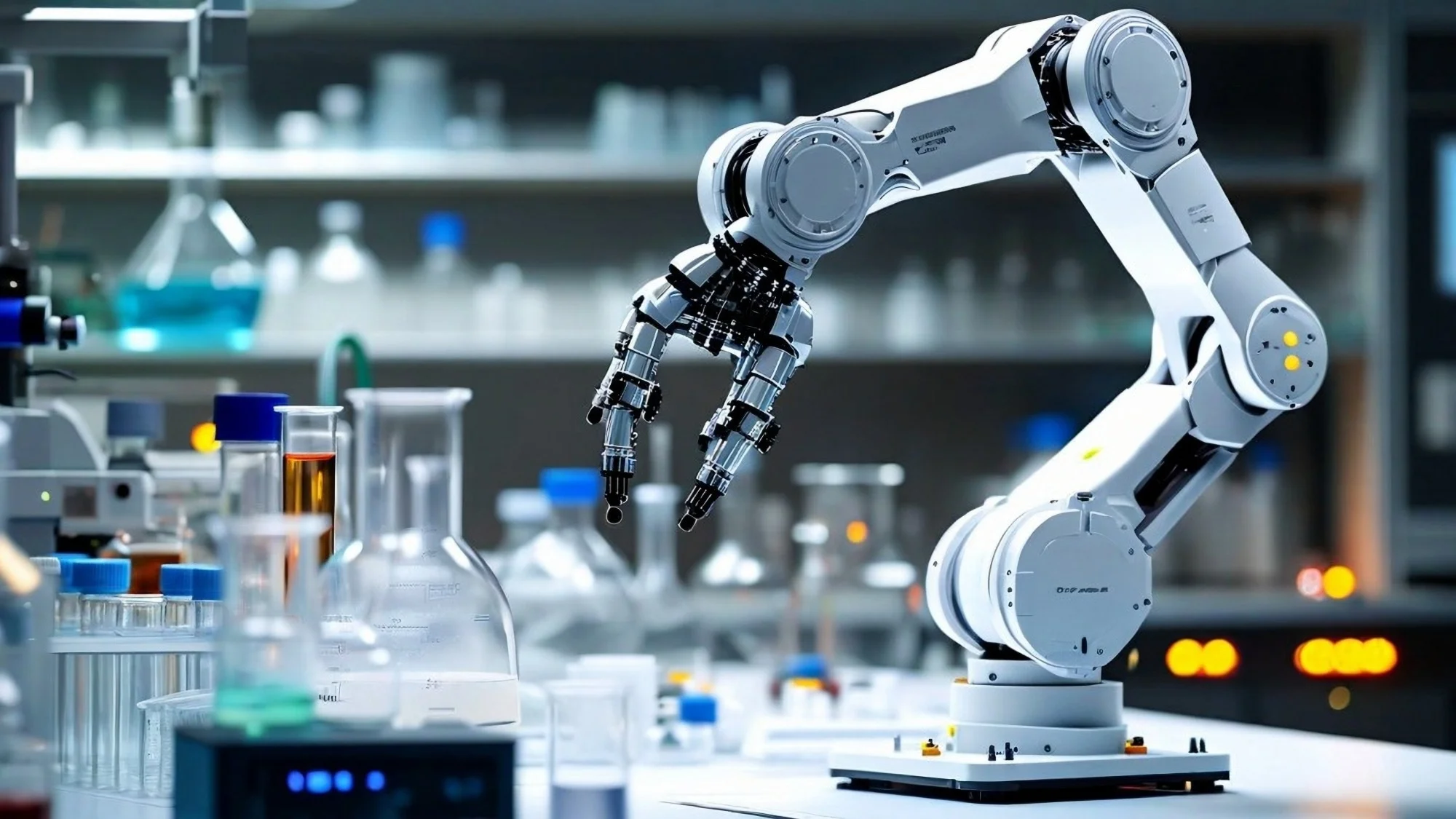
Inside hospitals and high-volume pharmacies, robotic dispensing systems are transforming medication distribution. These automated systems are designed to handle thousands of prescriptions with speed and precision, significantly reducing the risk of human error.
Robotic dispensers streamline workflows by automating repetitive tasks such as sorting, packaging, and labeling medications. Pharmacists can then shift their focus toward patient care, medication counseling, and clinical decision-making rather than manual dispensing processes.
The result is a safer, faster, and more efficient pharmacy operation that benefits both healthcare professionals and patients.
The Growing Role of Automation in Healthcare
Automation in medication dispensing is part of a broader shift toward data-driven healthcare. As connected devices continue to integrate with electronic health records, remote monitoring platforms, and digital therapeutics, healthcare providers will gain deeper insights into patient adherence and treatment outcomes
This transformation is particularly important as the global healthcare system faces rising patient volumes, workforce shortages, and increasing complexity in treatment protocols. Smart dispensing technologies help address these challenges by improving accuracy, reducing operational strain, and supporting better patient outcomes.
Why Clear Education Around These Technologies Matters
While these innovations hold enormous promise, their effectiveness depends on how well healthcare professionals, patients, and organizations understand them. Complex technologies often require clear, engaging educational content to ensure proper adoption and implementation.
This is where high-quality visual communication becomes essential.
Complex healthcare innovations are easier to understand when they are explained through compelling visuals, clear narratives, and structured training materials. Video-based learning helps translate complicated medical technologies into accessible, engaging knowledge that teams can quickly absorb and apply.
From Algorithms to Impact: Real-World Case Studies
Emerging AI-driven drug discovery platforms are now publishing preclinical results, demonstrating tangible impact rather than theoretical promise. In several cases, AI-guided approaches have:
- Reduced lead identification timelines
- Improved hit-to-lead optimization efficiency
- Enabled exploration of previously “undruggable” targets
The most successful teams are not replacing scientists with AI, they’re augmenting expertise with computational intelligence.
What Biotech Teams Should Take Away
For biotech leaders evaluating AI adoption, the key questions are no longer if, but how:
- What does a practical AI workflow look like for your team?
- How do you evaluate AI vendors beyond marketing claims?
- How well does the platform integrate with existing wet-lab pipelines?
- Are results explainable, reproducible, and regulator-ready?
Clear answers to these questions separate strategic adoption from expensive experimentation.
Why Communication Matters in AI-Driven Biotech
As AI becomes central to drug discovery, communicating its value clearly is just as important as deploying the technology itself. Investors, partners, regulators, and internal teams all need to understand:
- What the AI is doing
- Why it matters
- How it accelerates outcomes
That’s where strategic video content becomes a powerful differentiator.
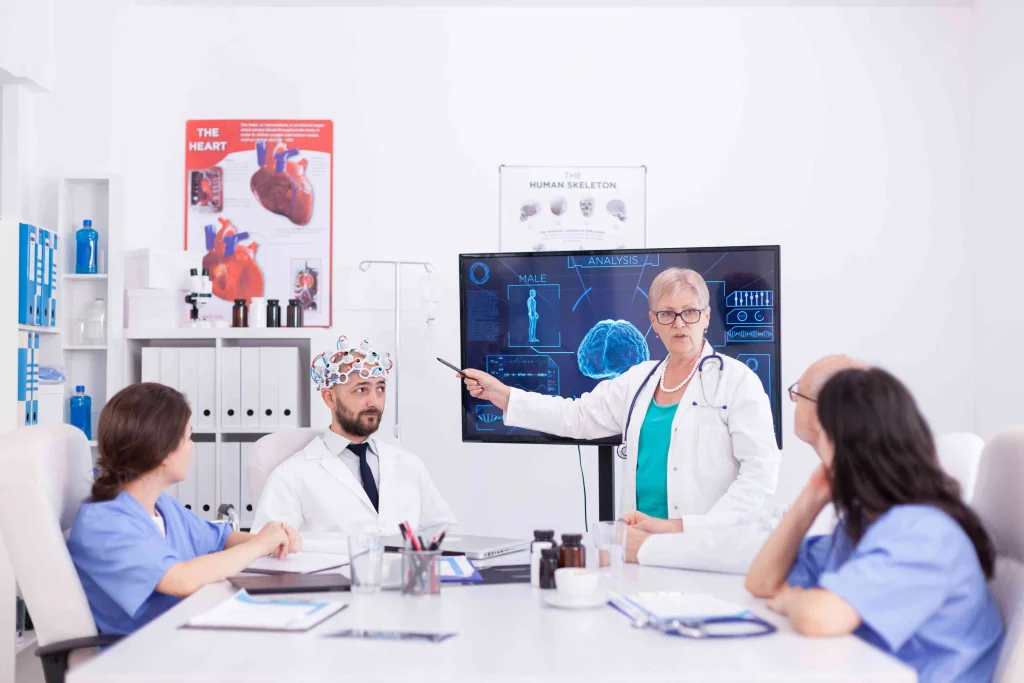
Empowering Healthcare Education Through Video
At Biotech Video Productions, the mission is simple: help organizations communicate complex scientific and healthcare innovations in ways that are clear, engaging, and impactful.
Through professionally crafted training videos, educational content, and visual storytelling, organizations can:
- Train healthcare teams on emerging technologies
- Educate patients about new medical devices and treatment systems
- Standardize knowledge across global teams
- Improve understanding of complex healthcare workflows
When innovation is paired with clear visual communication, adoption becomes faster, training becomes more effective, and organizations can unlock the full potential of breakthrough technologies.
Moving Innovation Forward
Smart and automated medication dispensers represent a major step toward safer, more efficient, and more connected healthcare systems. But innovation alone is not enough. Clear education and communication are what turn technology into real-world impact.
If your organization is working with emerging healthcare technologies and needs a powerful way to educate teams, patients, or stakeholders, Biotech Video Productions can help bring complex ideas to life through compelling visual storytelling.
Learn more at www.biotechvideoproduction.com and discover how video can transform the way your organization communicates innovation.
Related Posts

How Stem Cell Therapy Is Revolutionizing Modern Medicine – And Why Biotech Companies Must Tell That Story Visually
- Tracy Fenner
- June 11, 2025
In the rapidly advancing world of regenerative medicine, stem cell therapy has emerged as one o ..

Digital Health: Redefining Patient Care Through Technology and Storytelling
- Tracy Fenner
- August 25, 2025
Healthcare is no longer confined to hospital walls or doctor’s offices. The rise of digital h ..
Leave A Comment Cancel reply
You must be logged in to post a comment.