More Than an Internship: How Students Are Helping Move Biotech Forward
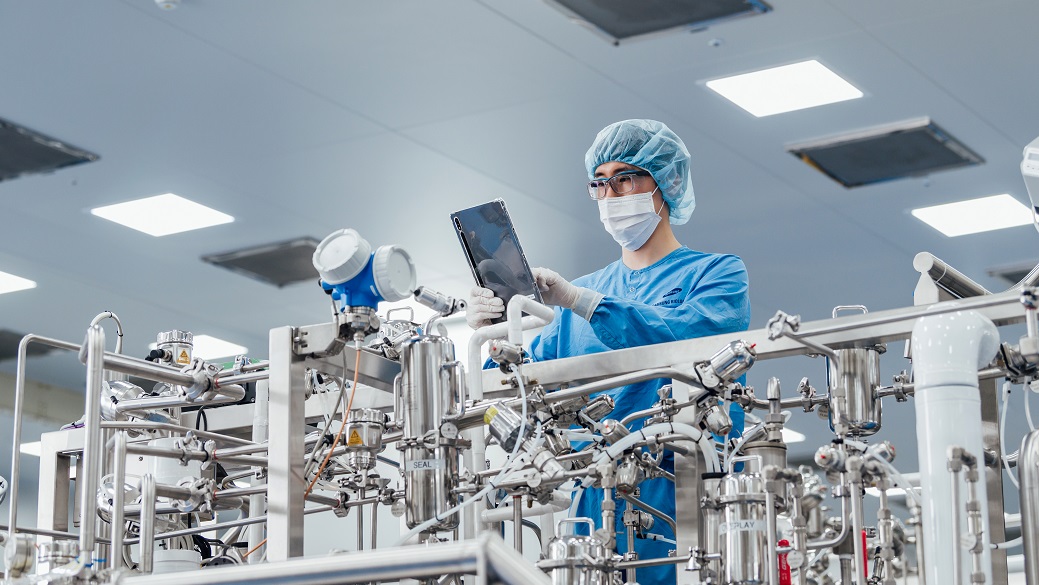
What can a college student actually accomplish in a biotech company over the course of a summer? More than you might think. When people hear the word “intern,” it can be easy to picture someone shadowing a scientist, organizing files, sitting in on meetings, or handling small tasks around the lab. But in biotechnology, an internship can look very different. …
Continue Reading
Foodborne Technology Meets Horticulture: How Robotics, AI, and Plant Engineering Are Reshaping the Future of Lettuce Safety
Foodborne Technology Meets Horticulture: How Robotics, AI, and Plant Engineering Are Reshaping the Future of Lettuce Safety Every bag of lettuce on a grocery shelf has a story. It starts in the field, moves through harvesting, packaging, transportation, and distribution before reaching your plate. Along that journey, dozens of opportunities exist for contamination, quality loss, or waste. Recent foodborne illness …
Continue Reading
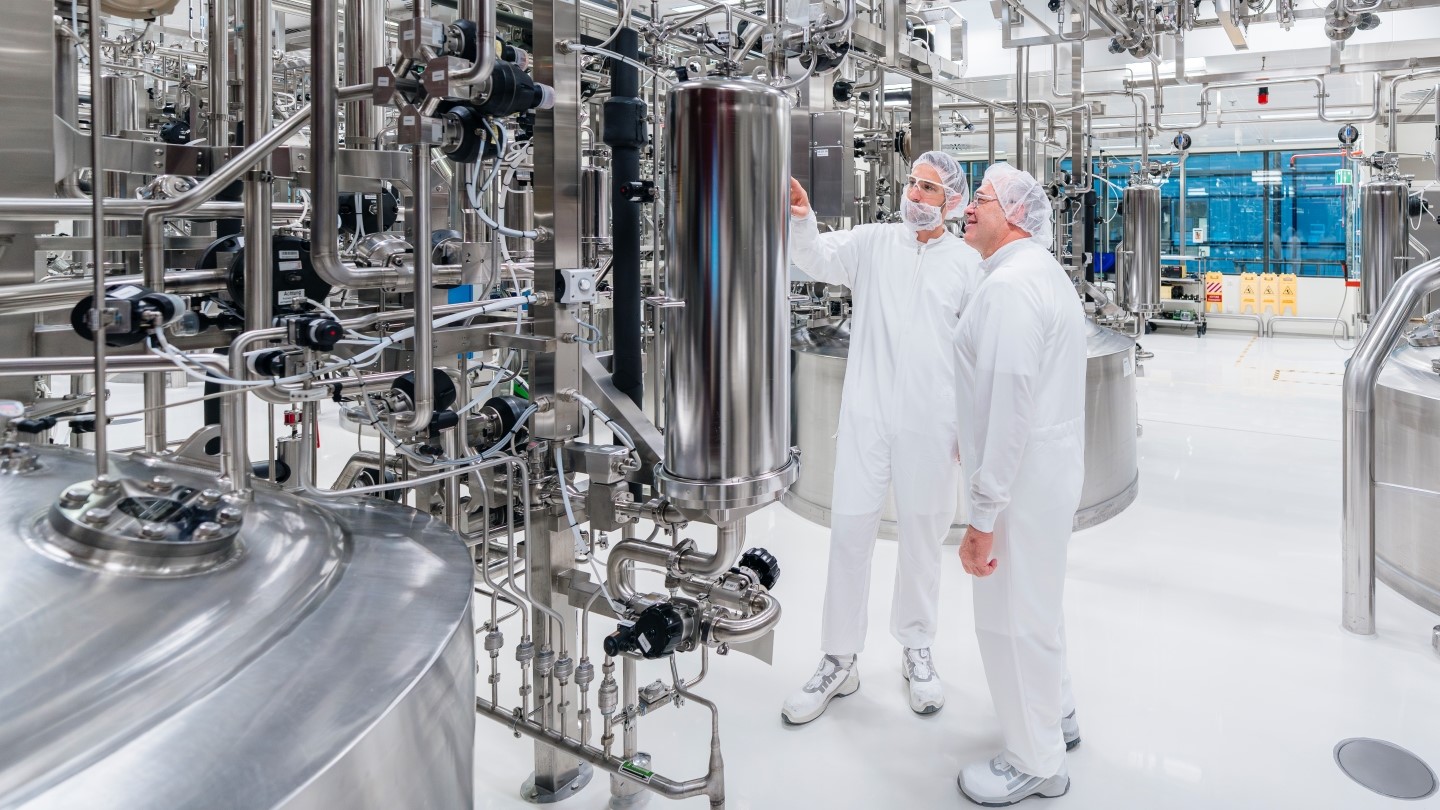
Continuous Upstream Processing (CUP) Part 2: Equipment Scheduling, Maintenance, and Operational Excellence
-
Tracy Fenner
-
July 15, 2026
-
Uncategorized
-
0 Comments
Continuous Upstream Processing (CUP) is changing how biologics are manufactured by allowing production to run continuously rather than in batches. While the benefits of increased productivity and process consistency are well established, successfully operating a continuous manufacturing process requires careful planning behind the scenes. Unlike traditional batch manufacturing, where equipment can be cleaned and serviced between production runs, CUP demands …
Continue Reading
Continuous Upstream Processing (CUP): Transforming Biomanufacturing Through Continuous Production
The biopharmaceutical industry continues to evolve as manufacturers seek more efficient, scalable, and cost-effective ways to produce life-saving therapies. One of the most significant advancements driving this transformation is Continuous Upstream Processing (CUP), a modern approach that replaces traditional batch and fed-batch manufacturing methods with continuous culture and feeding strategies. As demand for biologics, cell therapies, and advanced therapeutics continues …
Continue Reading
How to Scale Your Workforce Faster Without Breaking Safety: The Role of Video + AI
At Biotech Video Productions, we’ve seen firsthand how organizations struggle with one critical challenge: making sure employees don’t just sit through training, but actually retain it and apply it.
Continue Reading
Smart and Automated Medication Dispensers: Transforming the Future of Medication Management
At Biotech Video Productions, we’ve seen firsthand how organizations struggle with one critical challenge: making sure employees don’t just sit through training, but actually retain it and apply it.
Continue Reading
AI-Driven Drug Discovery: From Bench to Bedside at Record Speeds
At Biotech Video Productions, we’ve seen firsthand how organizations struggle with one critical challenge: making sure employees don’t just sit through training, but actually retain it and apply it.
Continue Reading
Green Chemistry: Paving the Way for Sustainable Biotech and Pharma
At Biotech Video Productions, we’ve seen firsthand how organizations struggle with one critical challenge: making sure employees don’t just sit through training, but actually retain it and apply it.
Continue Reading
The Power of Video-Based Training: Why Organizations Are Making the Shift
At Biotech Video Productions, we’ve seen firsthand how organizations struggle with one critical challenge: making sure employees don’t just sit through training, but actually retain it and apply it.
Continue Reading
Digital Health: Redefining Patient Care Through Technology and Storytelling
Healthcare is no longer confined to hospital walls or doctor’s offices. The rise of digital health technologies is reshaping how patients engage with care, how providers deliver treatment, and how organizations innovate for the future.
Continue Reading