12 June
Training & Education
Continuous Upstream Processing (CUP): Transforming Biomanufacturing Through Continuous Production
- Tracy Fenner
- 0 Comments
The biopharmaceutical industry continues to evolve as manufacturers seek more efficient, scalable, and cost-effective ways to produce life-saving therapies. One of the most significant advancements driving this transformation is Continuous Upstream Processing (CUP), a modern approach that replaces traditional batch and fed-batch manufacturing methods with continuous culture and feeding strategies.
As demand for biologics, cell therapies, and advanced therapeutics continues to grow, Continuous Upstream Processing is helping organizations improve productivity while maintaining high levels of quality and process control.
What Is Continuous Upstream Processing?
Traditional upstream processing relies on batch or fed-batch production methods where cells are grown, harvested, and processed in separate cycles. While effective, these approaches often involve downtime between batches and can limit overall production efficiency.
Continuous Upstream Processing takes a different approach. Instead of operating in discrete production cycles, cells are maintained in a steady-state environment where nutrients are continuously supplied and waste products are continuously removed. This allows production to continue for extended periods while maintaining optimal cell growth and productivity.
The result is a more consistent and efficient manufacturing process that can deliver greater output with fewer interruptions.
Key Benefits of Continuous Upstream Processing
Higher Volumetric Productivity
One of the primary advantages of CUP is its ability to generate significantly higher product yields within the same production space. By maintaining cells in their optimal growth phase for longer periods, manufacturers can maximize productivity and increase overall output.
Improved Process Control
Continuous systems allow operators to closely monitor and adjust critical process parameters in real time. This enhanced control helps maintain consistent product quality while reducing variability between production runs.
Reduced Facility Footprint
Because continuous processes can produce more product using smaller equipment, manufacturers often require less facility space. This can reduce capital expenditures and lower operational costs while increasing manufacturing flexibility.
Smaller Bioreactors, Greater Output
Continuous processing enables companies to achieve production targets using smaller bioreactors compared to traditional batch systems. This can simplify facility design, improve scalability, and support more agile manufacturing operations.
Technologies Driving CUP Adoption
Several innovative technologies have accelerated the adoption of Continuous Upstream Processing across the biopharmaceutical industry.
Perfusion Systems
Perfusion culture systems continuously feed fresh media into the bioreactor while simultaneously removing waste products. This allows cells to remain healthy and productive for extended periods, resulting in higher cell densities and increased product yields.
Cell Retention Devices
Advanced cell retention technologies help keep viable cells inside the bioreactor while allowing harvested product and waste materials to exit the system. These devices are critical for maintaining stable, long-term continuous cultures.
Real-Time Monitoring and Automation
Modern sensors, analytics platforms, and process automation tools provide continuous insight into cell health, nutrient levels, metabolite concentrations, and overall process performance. Real-time monitoring enables proactive decision-making and supports more reliable manufacturing operations.
The Future of Biomanufacturing
As the industry continues moving toward integrated and continuous manufacturing models, Continuous Upstream Processing is expected to play an increasingly important role in the production of biologics and advanced therapies.
Organizations that embrace CUP can benefit from improved efficiency, reduced manufacturing costs, enhanced scalability, and greater operational flexibility. Combined with advances in automation and process analytics, continuous processing is helping shape the next generation of biopharmaceutical manufacturing.
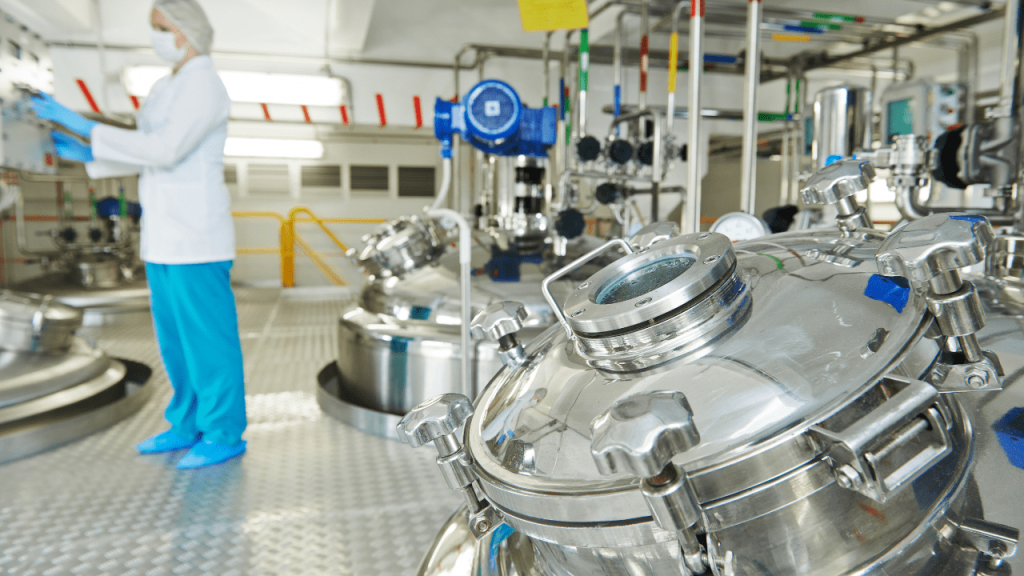
Bringing Complex Manufacturing Concepts to Life
Advanced manufacturing technologies like Continuous Upstream Processing can be difficult to explain through traditional documentation alone. Visual communication tools such as training videos, process animations, facility walkthroughs, and educational content can help employees, stakeholders, and customers better understand these sophisticated processes.
At Biotech Video Productions, we specialize in creating engaging biotech, pharmaceutical, and manufacturing-focused videos that simplify complex concepts, improve training effectiveness, and support communication across your organization.
Whether you need process training videos, GMP compliance content, safety training, facility tours, or scientific animations, our team can help transform technical information into clear, impactful visual stories.
Contact Biotech Video Productions today to learn how professional video solutions can support your training, operational excellence, and communication goals.
Related Posts
How AI and Machine Learning Are Revolutionizing Healthcare
- Tracy Fenner
- July 29, 2025
In today’s data-driven world, artificial intelligence (AI) and machine learning (ML) are play ..

How Stem Cell Therapy Is Revolutionizing Modern Medicine – And Why Biotech Companies Must Tell That Story Visually
- Tracy Fenner
- June 11, 2025
In the rapidly advancing world of regenerative medicine, stem cell therapy has emerged as one o ..
Leave A Comment Cancel reply
You must be logged in to post a comment.